Life on the Mekong
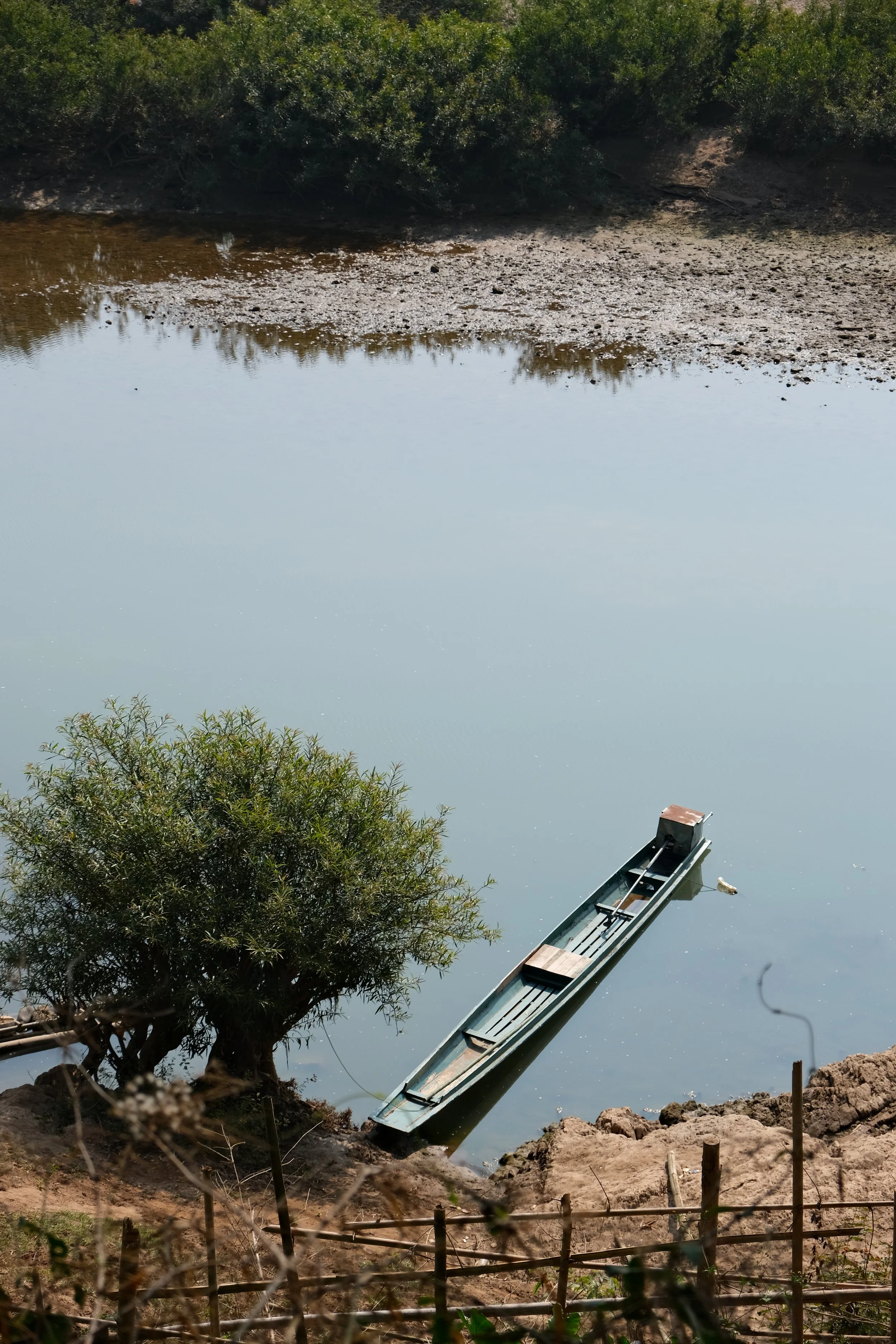
The Mekong River is the 12th longest river in the world and the 3rd longest in Asia . In Laos, it is more than just a waterway; it is a sacred artery that dictates the pace of village life. Known as the "Mother of Waters," its seasonal ebbs and flows govern the planting of rice and the migration of fish, sustaining the local families whose lives I set out to document.
Moving beyond the typical tourist trails, I had the privilege of joining a monk’s family to document the rhythmic, quiet resilience of rural life into the heart of a riverside village in Laos.
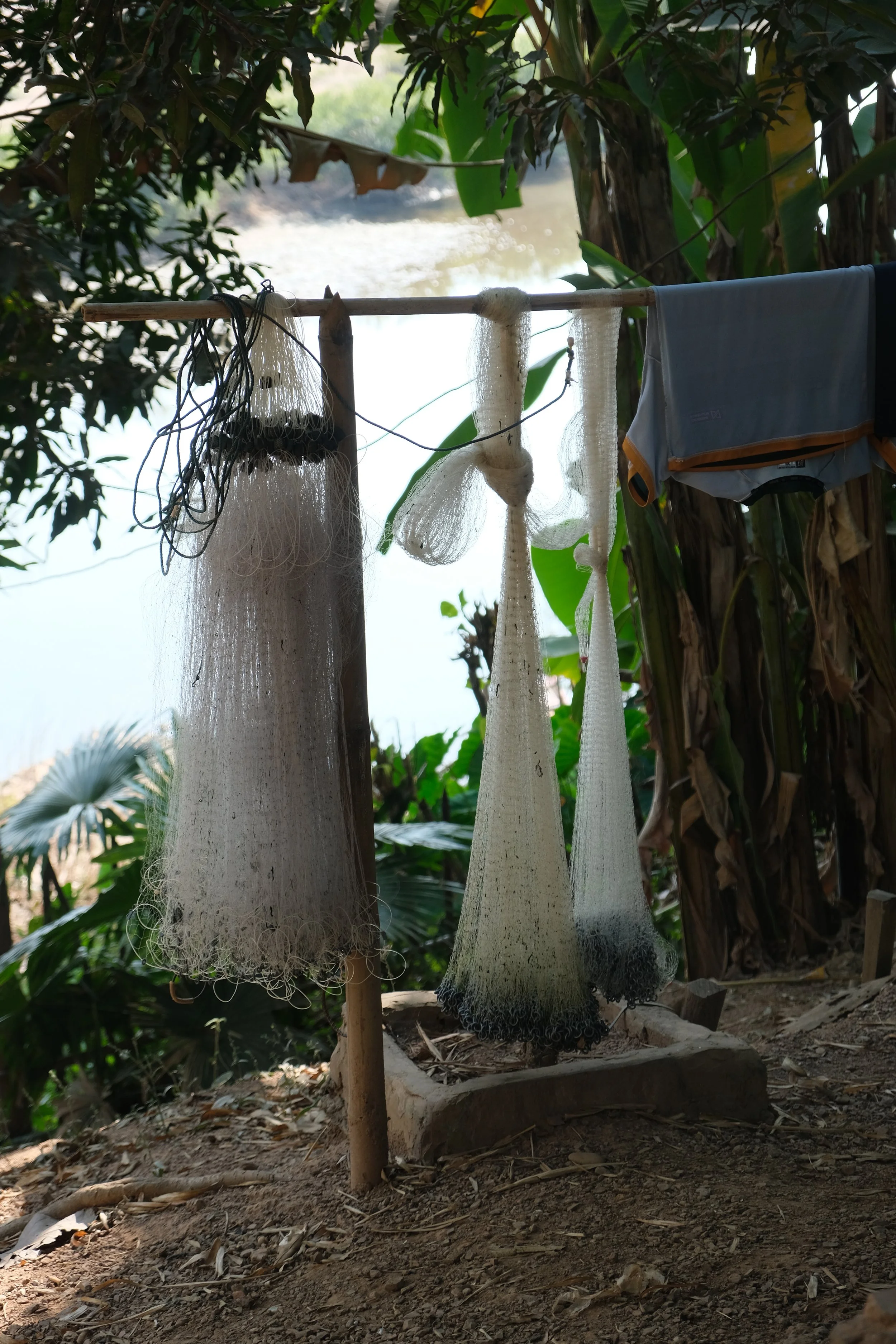
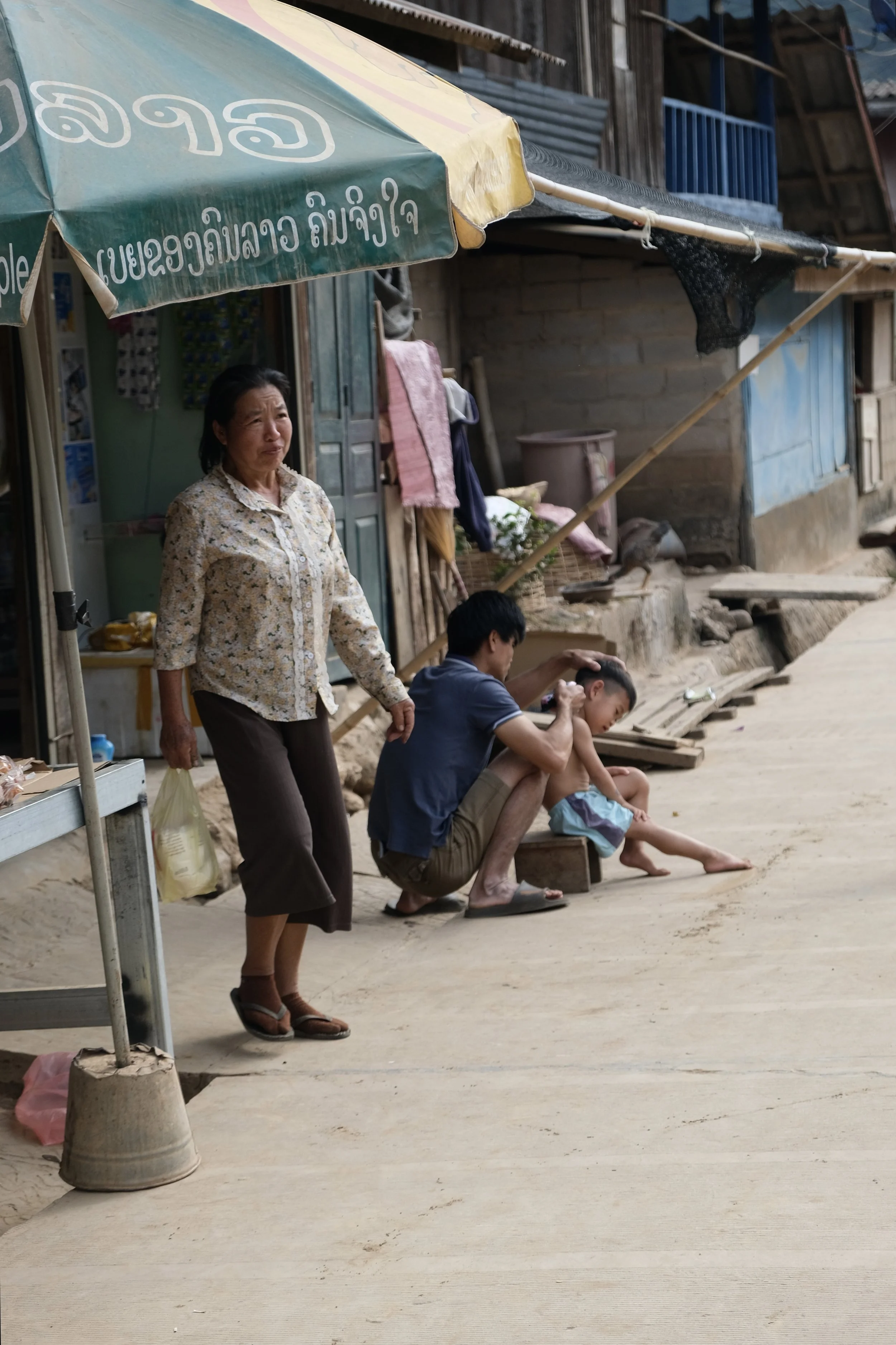
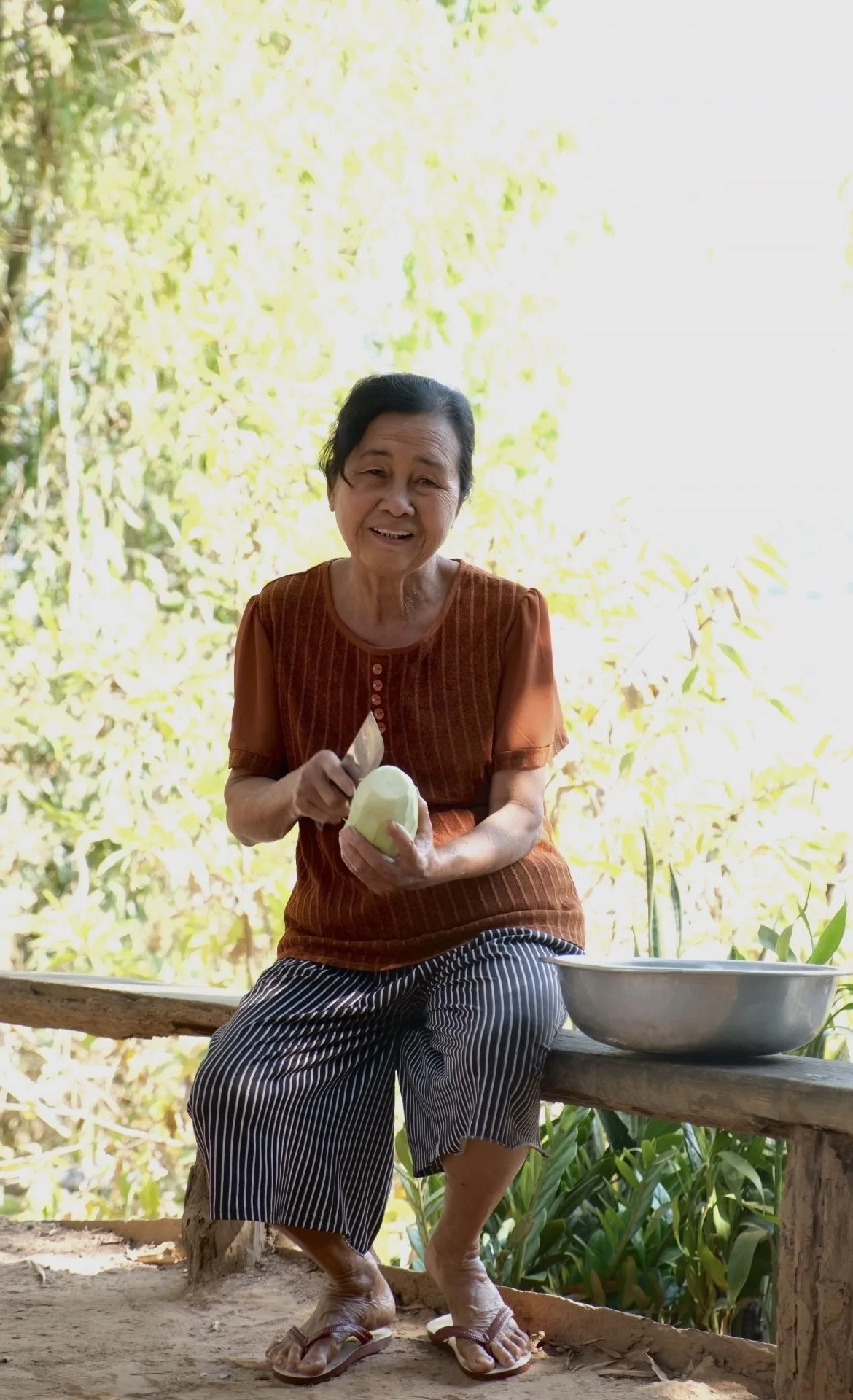
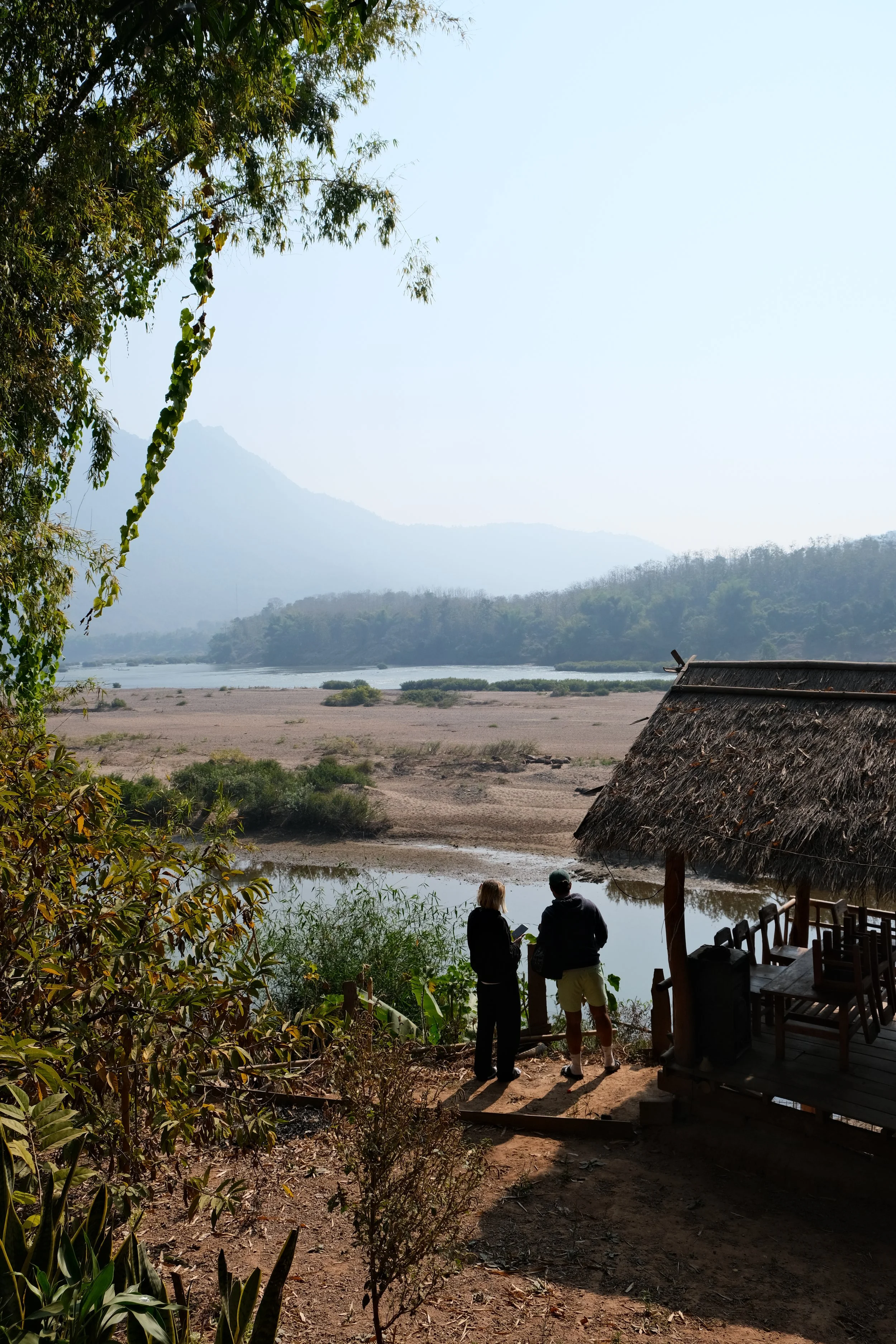
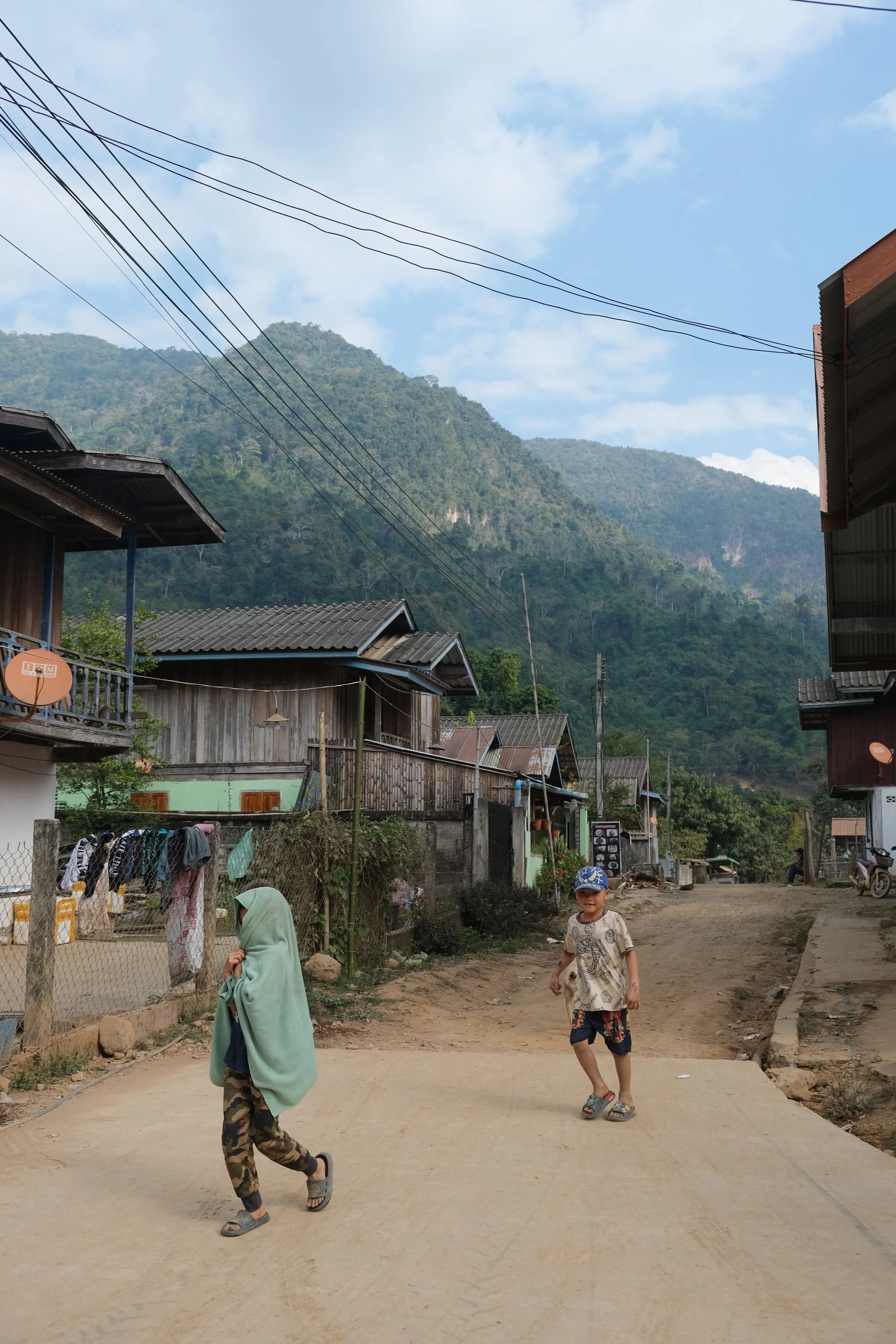
In Laos, rapid urbanization has outpaced waste management infrastructure. While the Mekong provides life, it is also bearing the weight of a modern environmental struggle as it’s currently ranked one of the top ten rivers contributing to global marine plastic pollution.
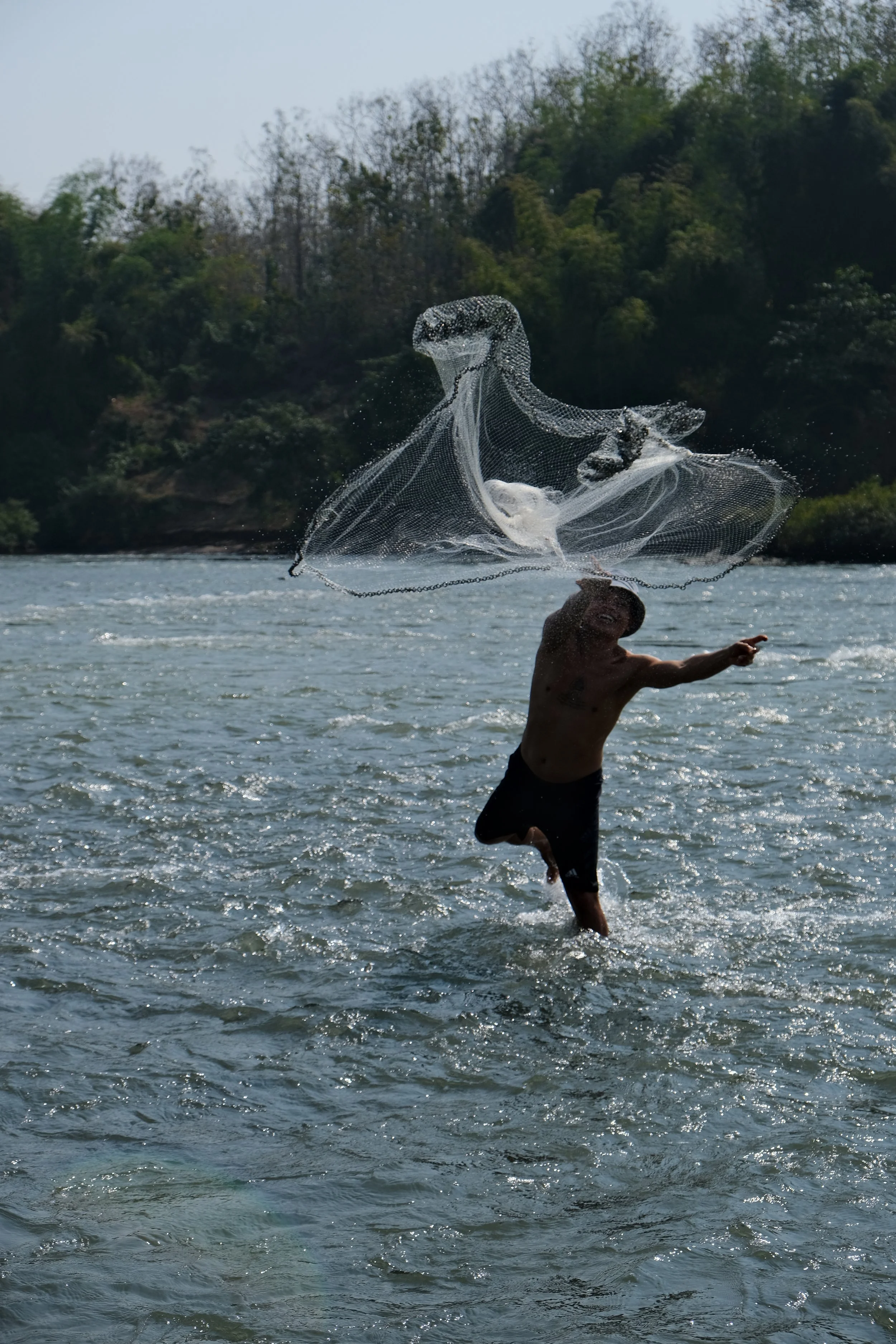
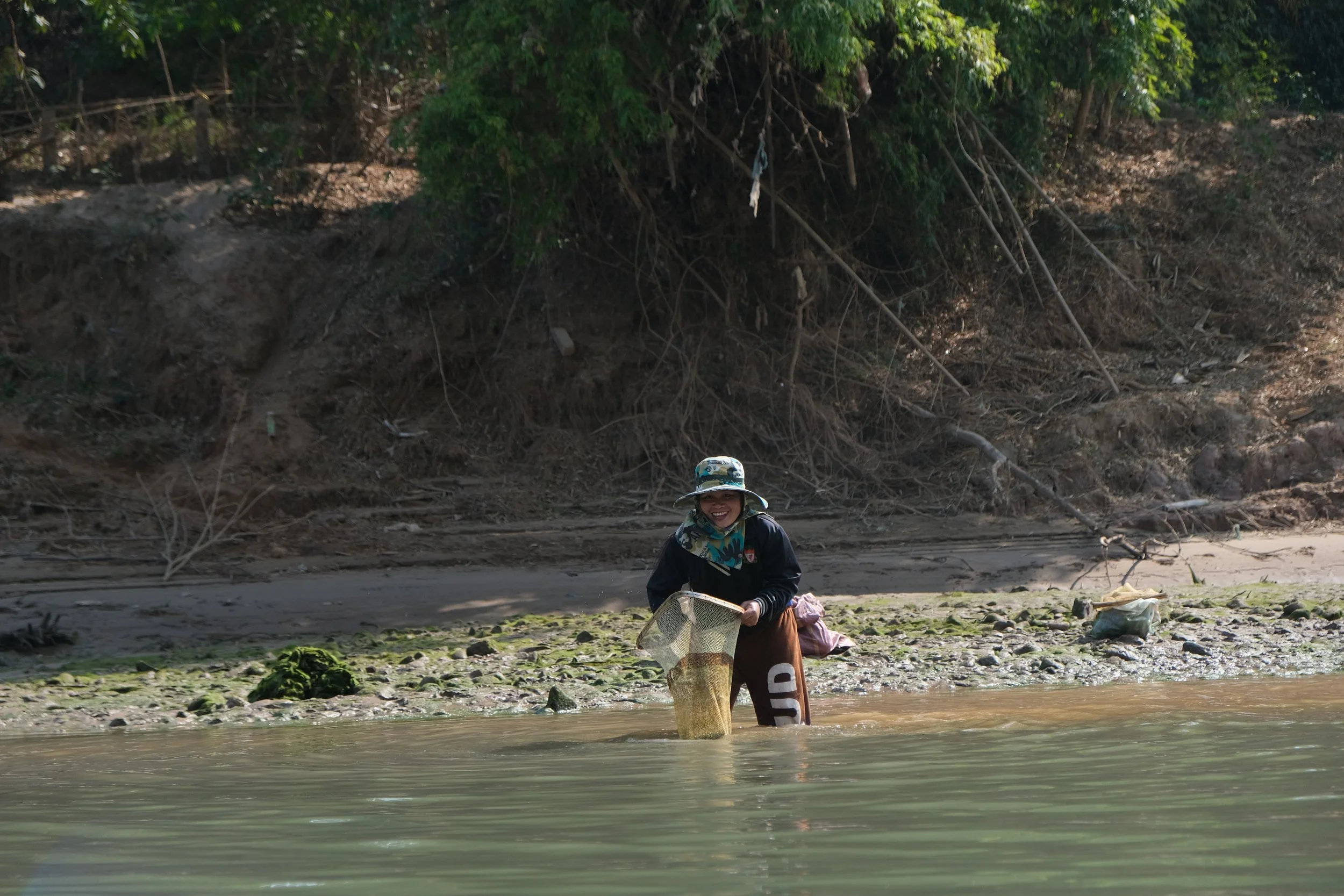
Fishermen frequently find their nets heavy with plastic instead of fish. For the families I visited, the crisis is tangible and they are at its frontlines.
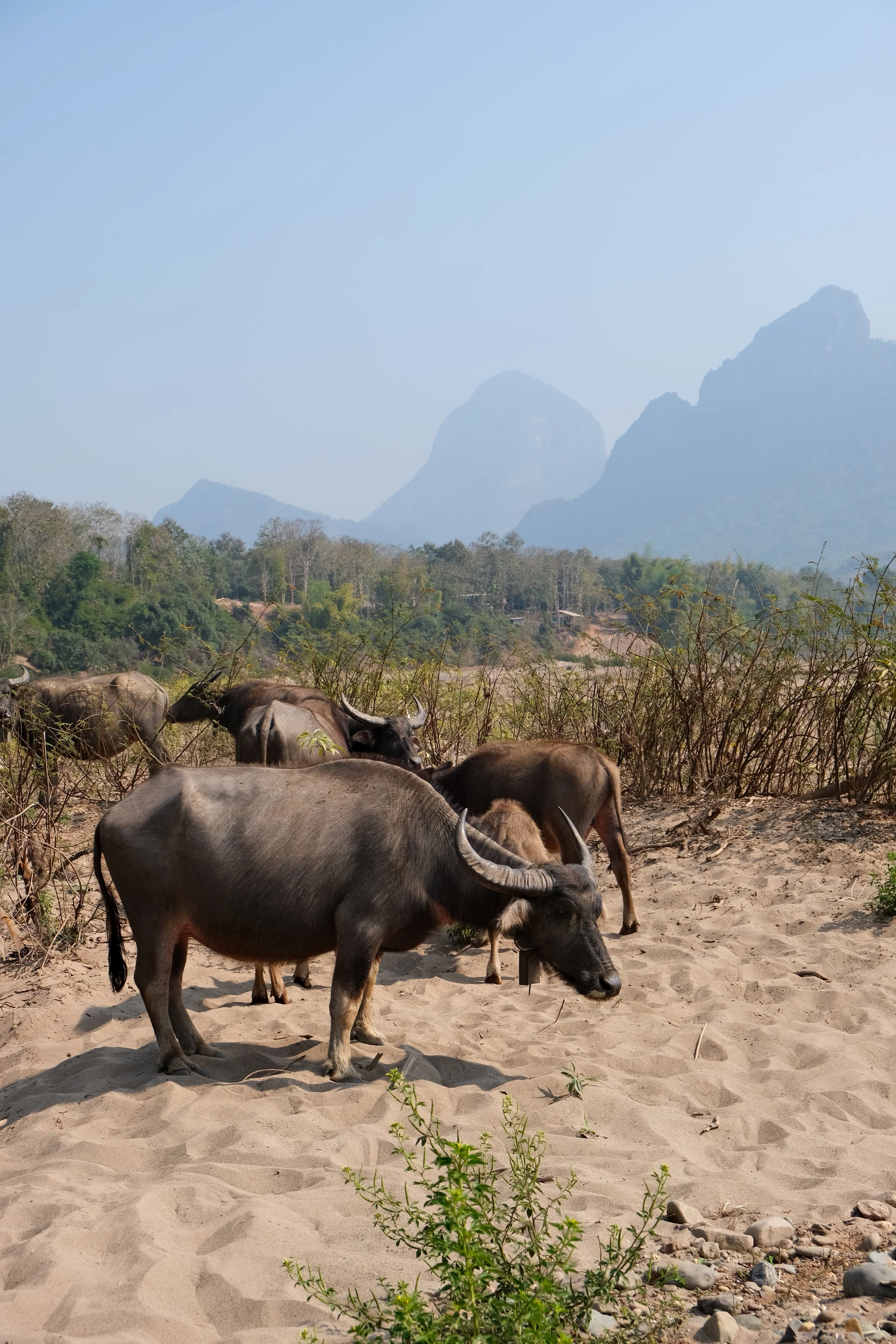
These shots explore the delicate balance between ancient tradition and daily survival. In this corner of the world, self-sufficiency isn't a modern ‘lifestyle trend’—it is a masterclass in living with the land.
From communal harvest to traditional net fishing, climate adaptation is a skill passed down through generations.
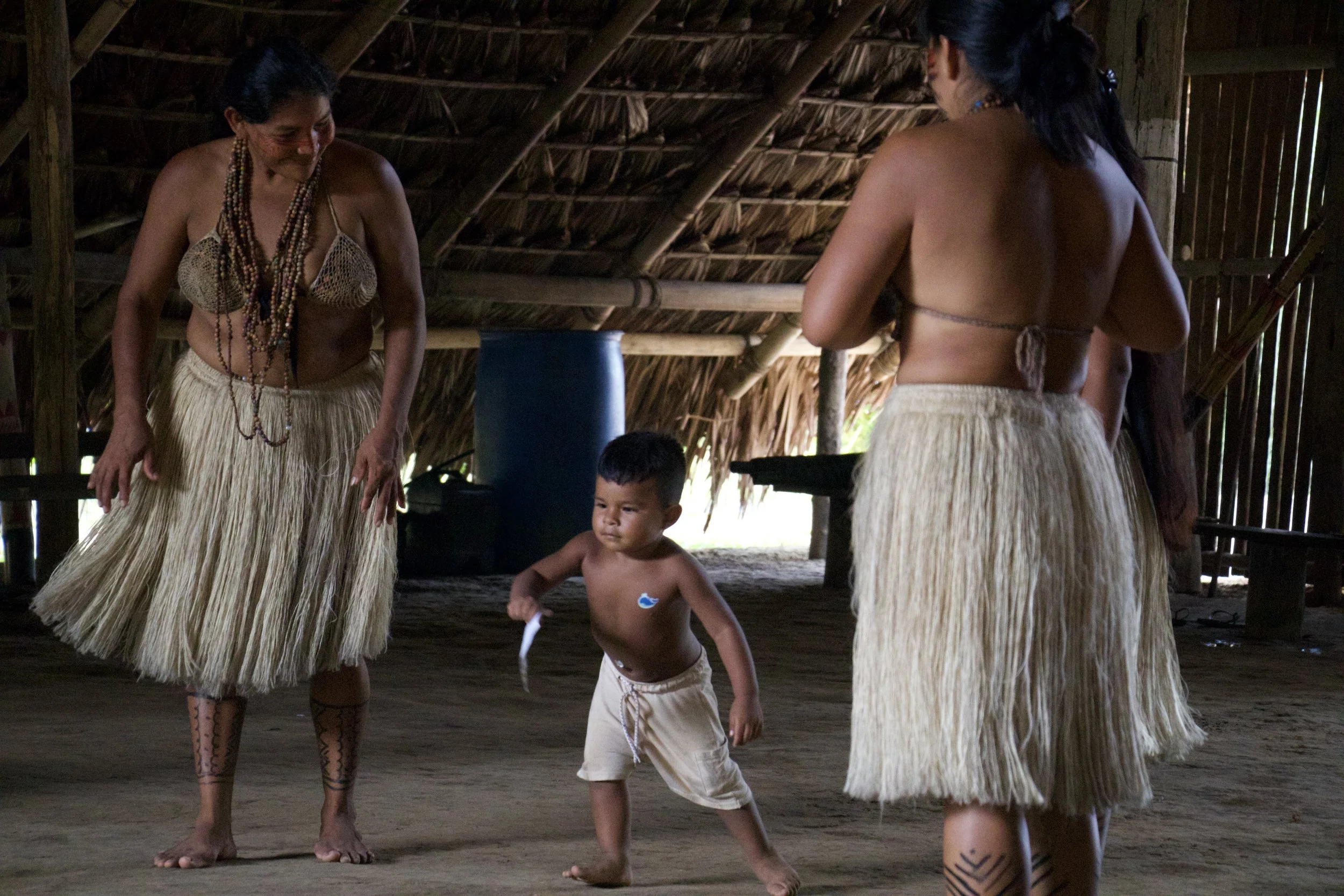
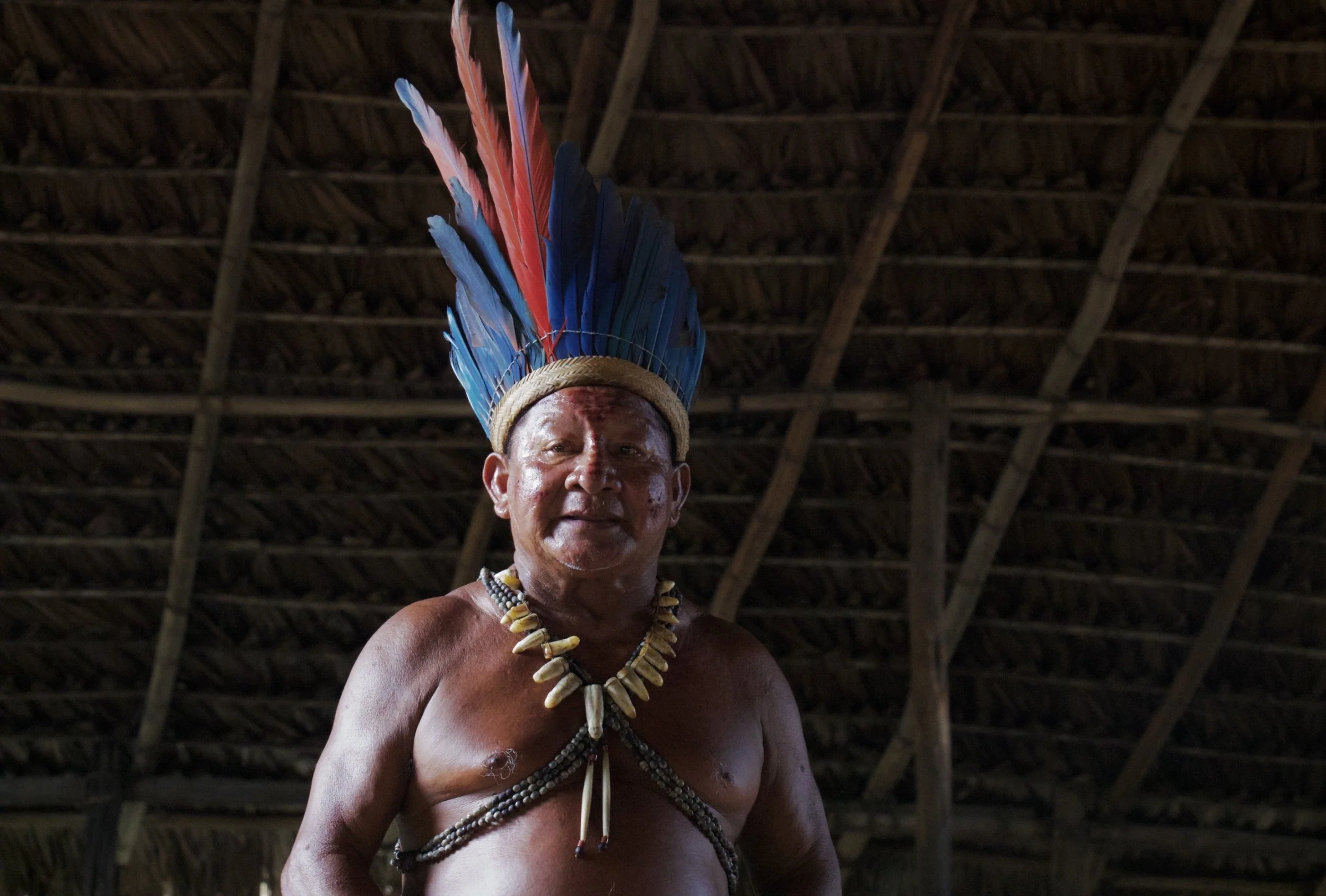
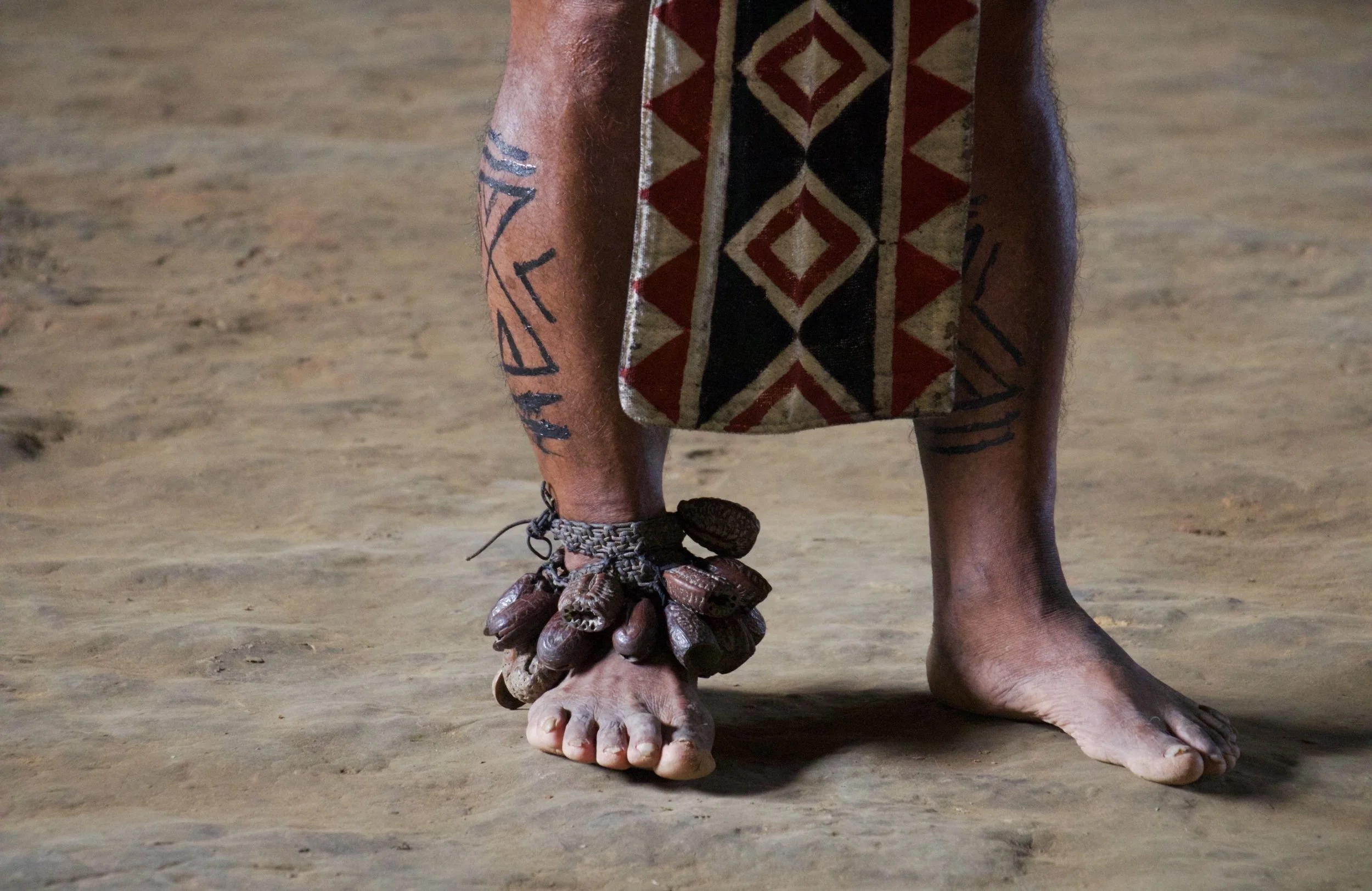
Ancestral Wisdom of the Amazonas
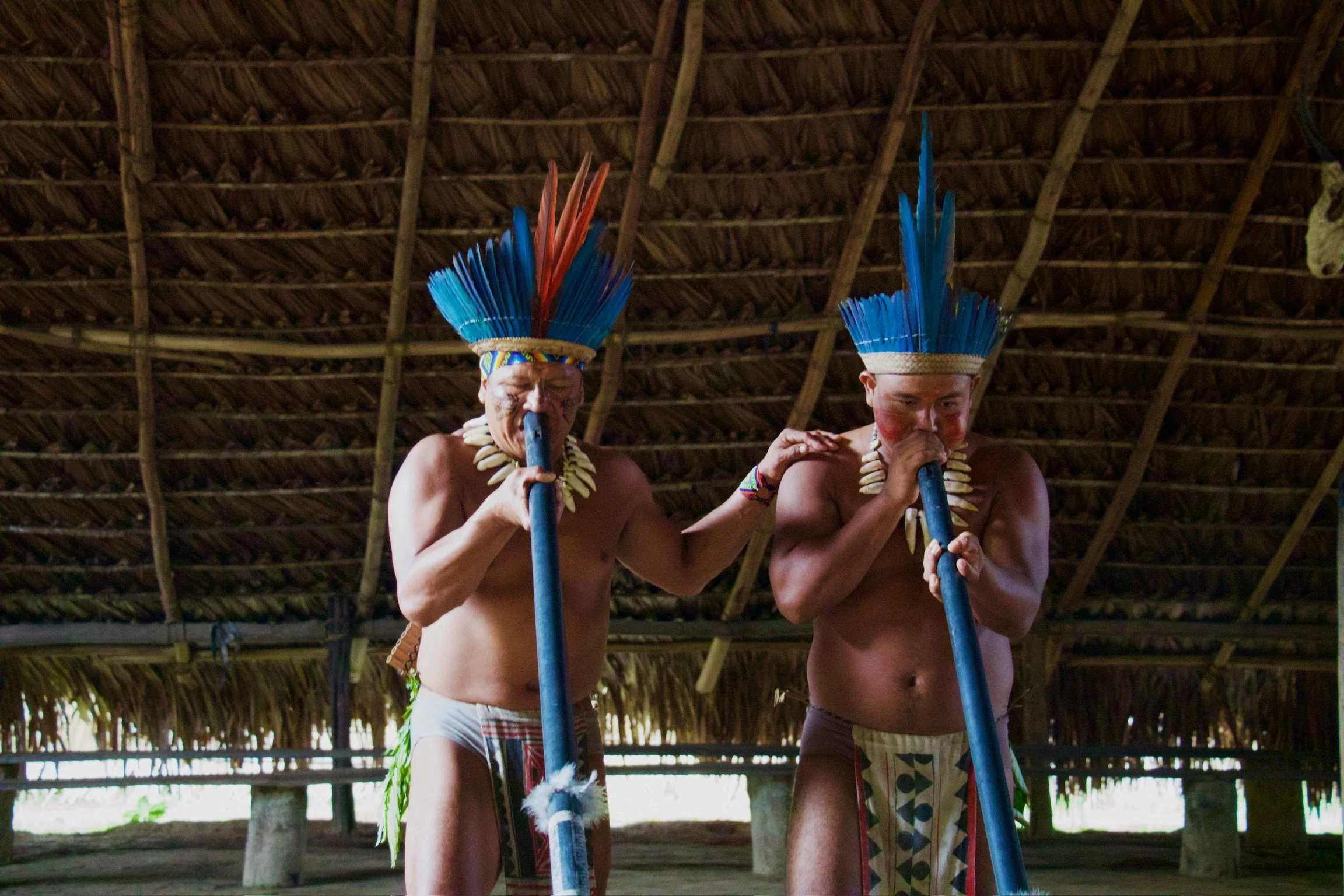
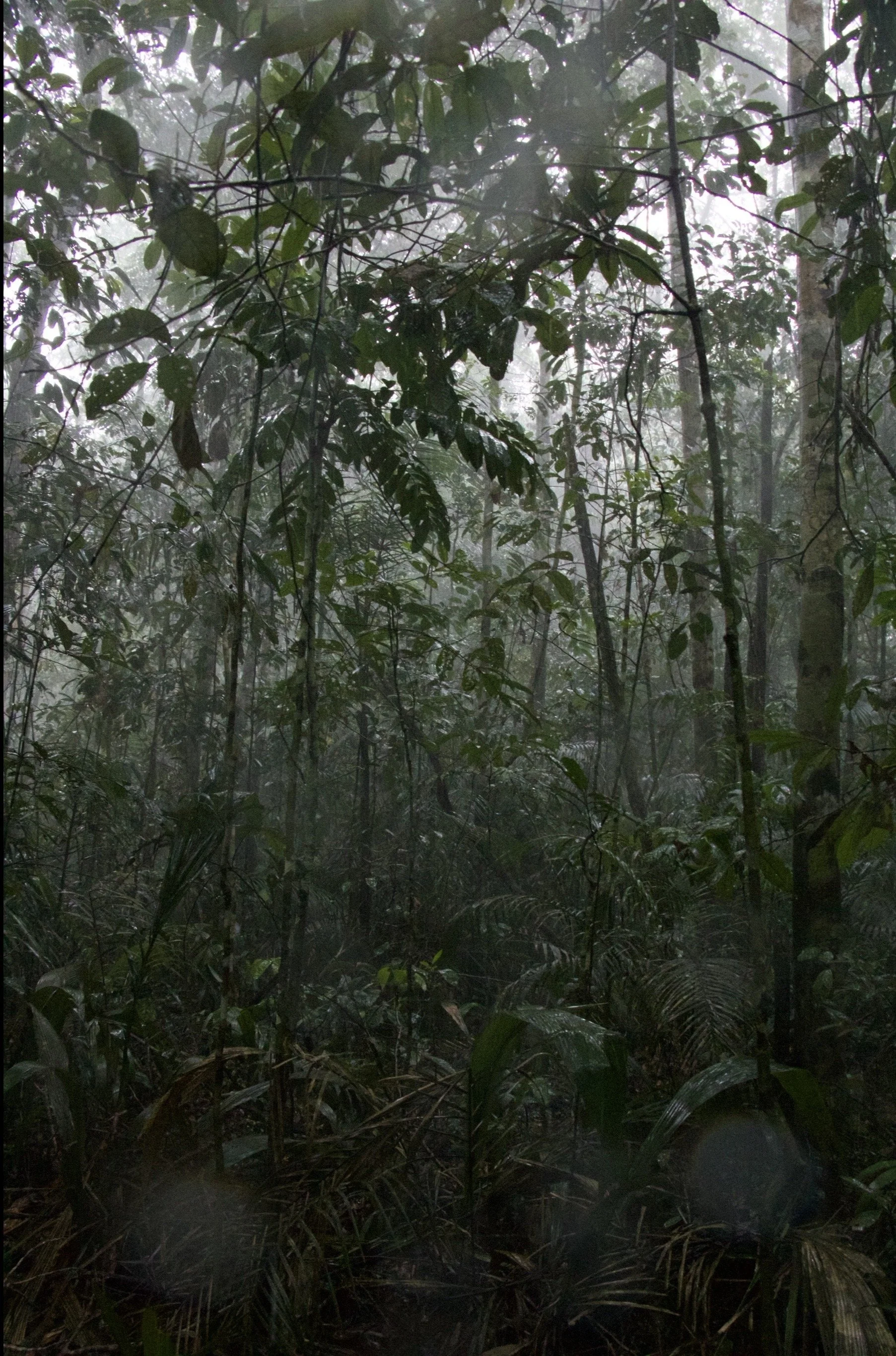
Through this photo series, we explore the Amazon Rainforest, a place where the boundary between "human" and "nature" doesn’t exist. To the indigenous families, the forest is not a resource to be exploited, but a living relative and a sacred heritage. We do not observe nature, we are nature.
The Amazonas is rooted in the concept of ‘The Living Forest’ as a rights-bearing entity. Their lifestyle is to live with harmony with the forest. However, this symbiotic relationship is facing unprecedented challenges from deforestation and external economic pressures.

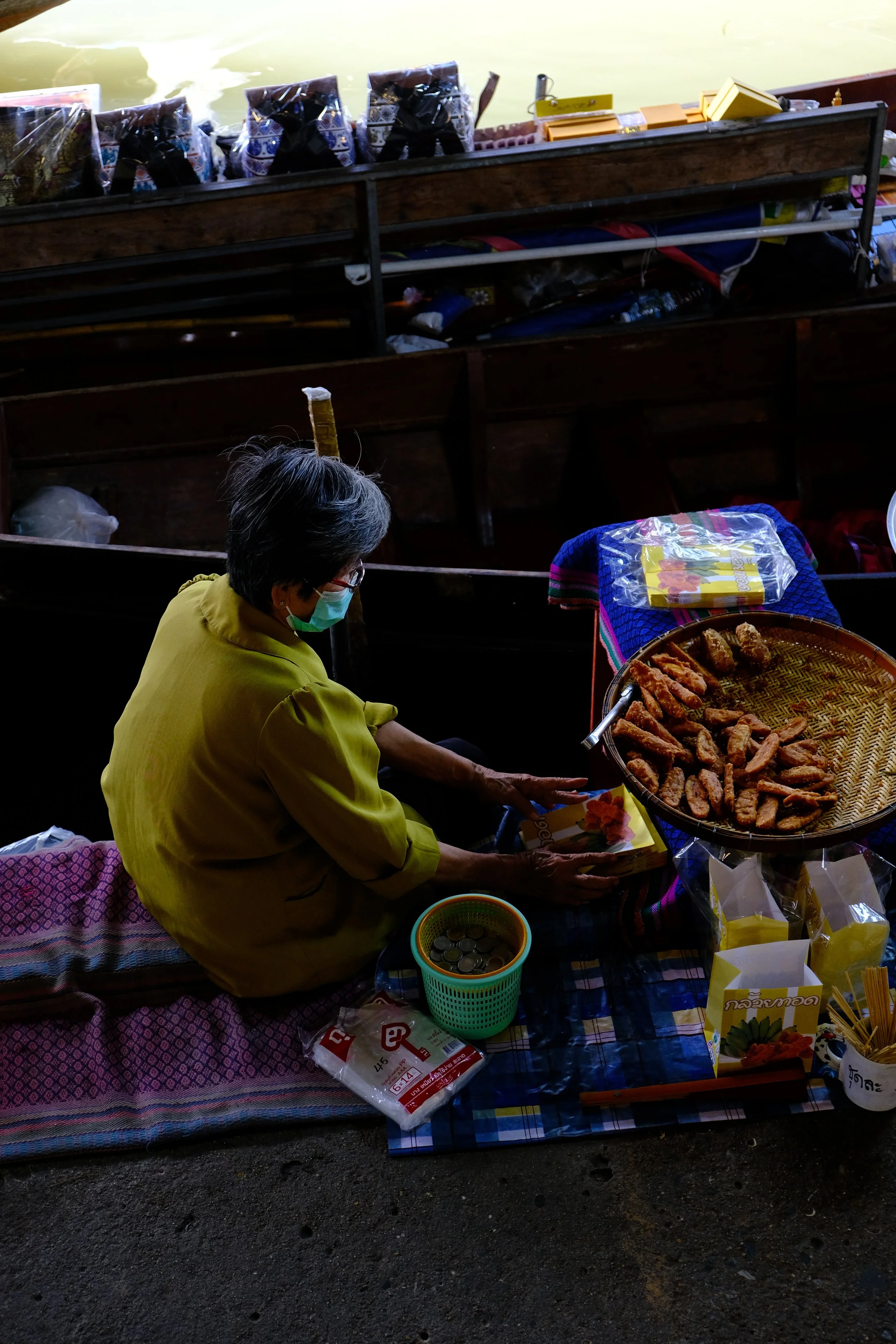
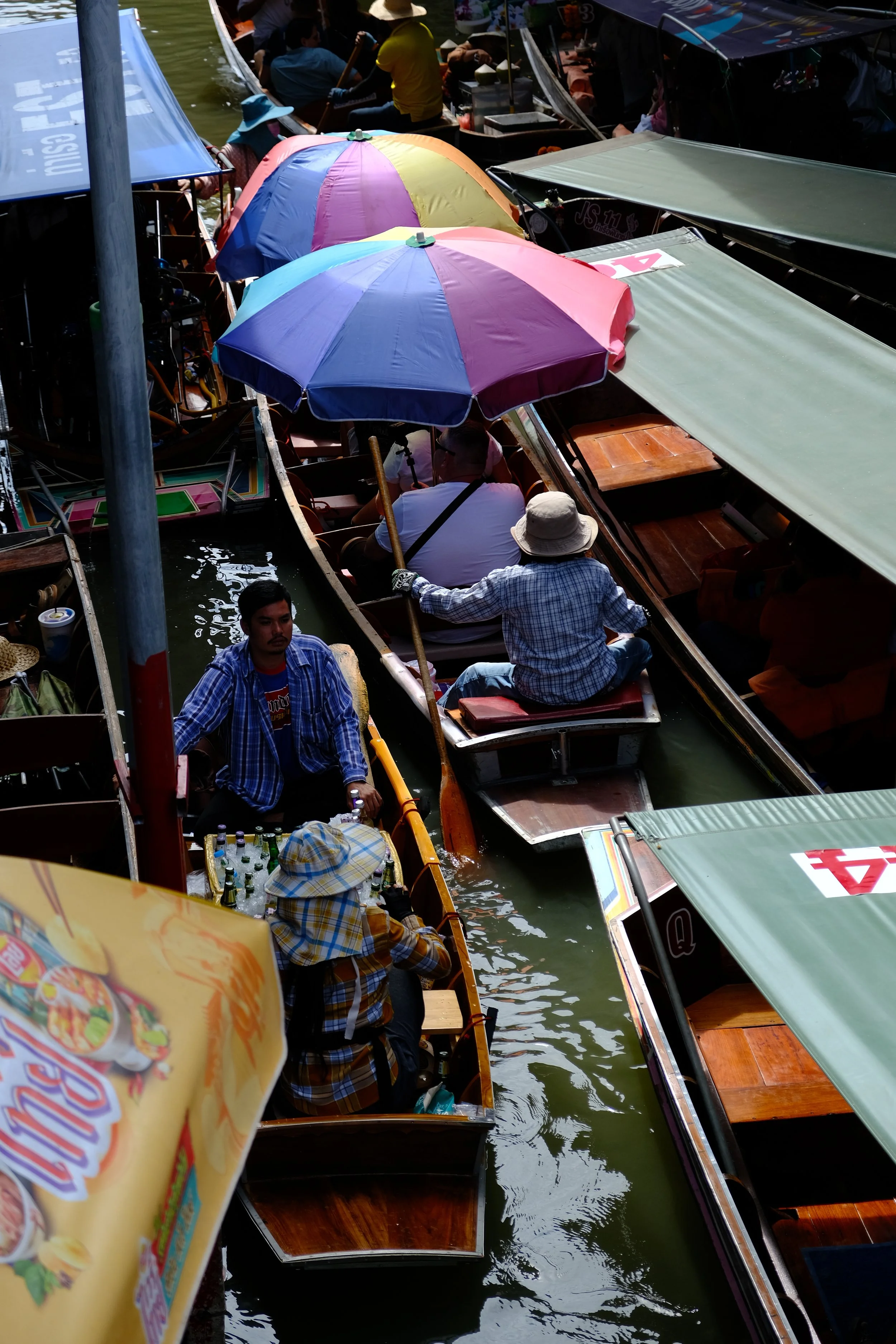
Life on water: Thailand’s Floating Markets
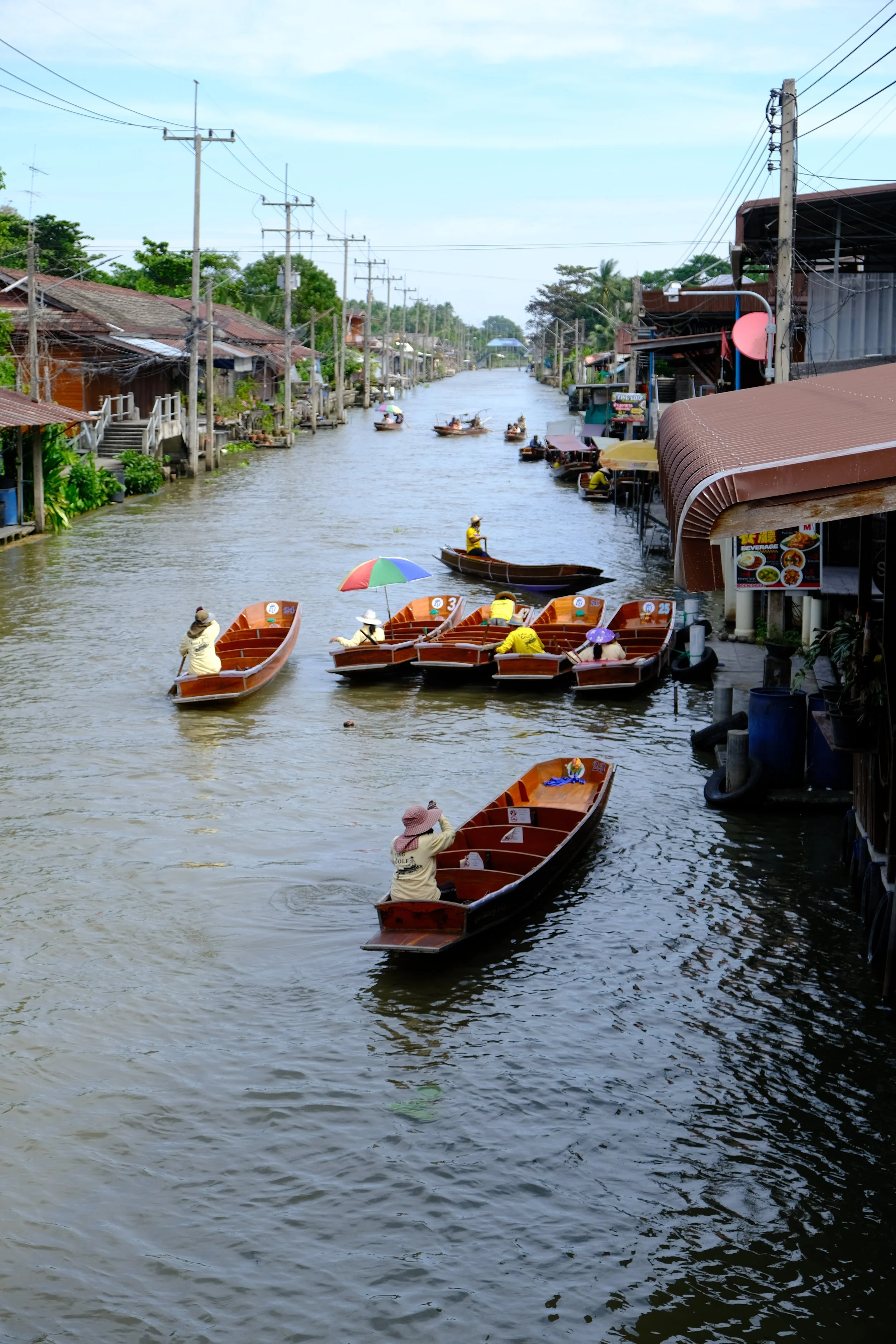
The floating markets are more than just a place to trade; they are a living archive of a time when the khlongs (canals) were the country's main arteries. They teach us that heritage is about intangible practices— how people eat, trade, and socialize.
Once the primary hubs of commerce before roads existed, these markets are a sensory explosion where Thai history continues to float. Their survival in modern economy came with a transition from local trade hubs to tourism landmarks.
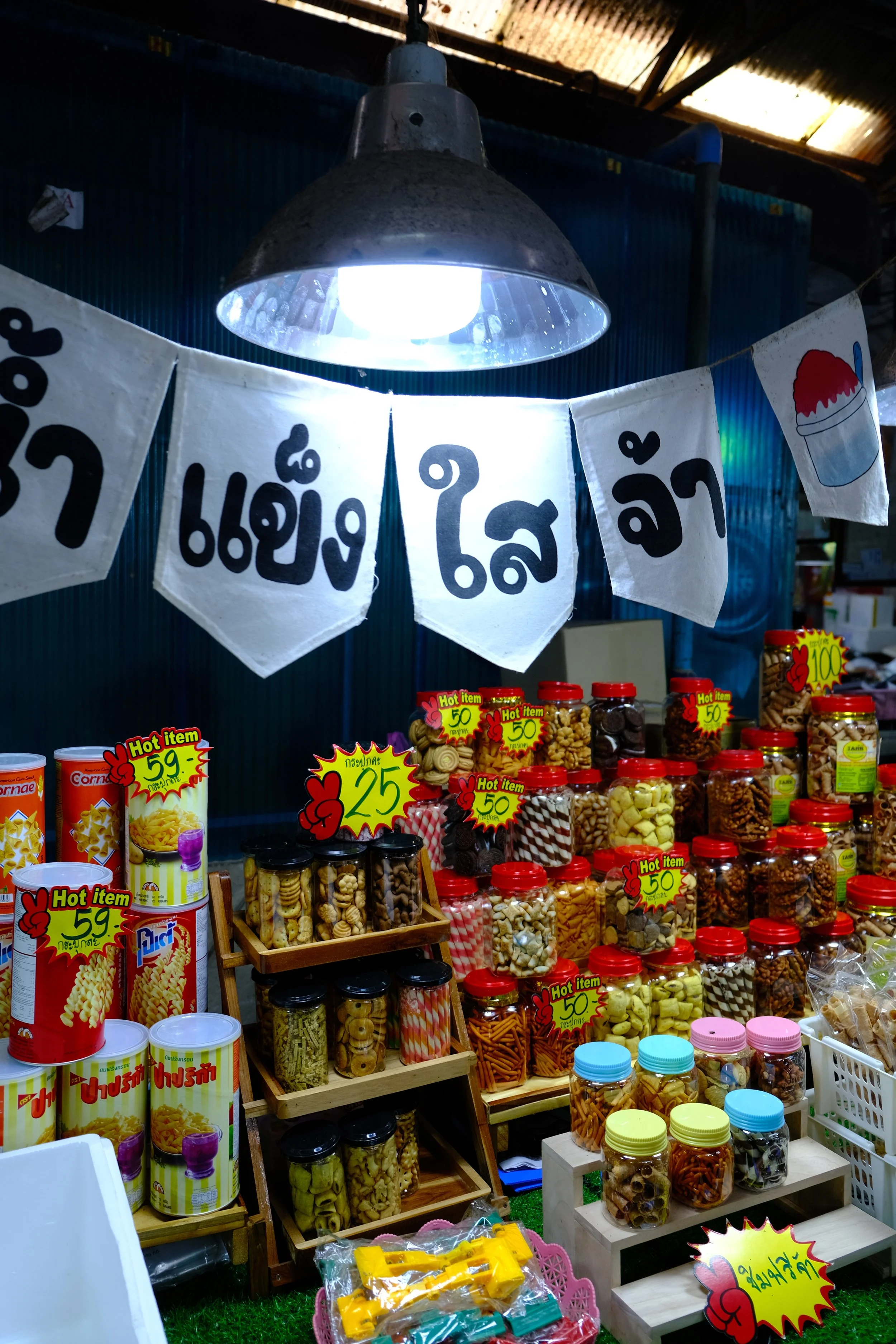
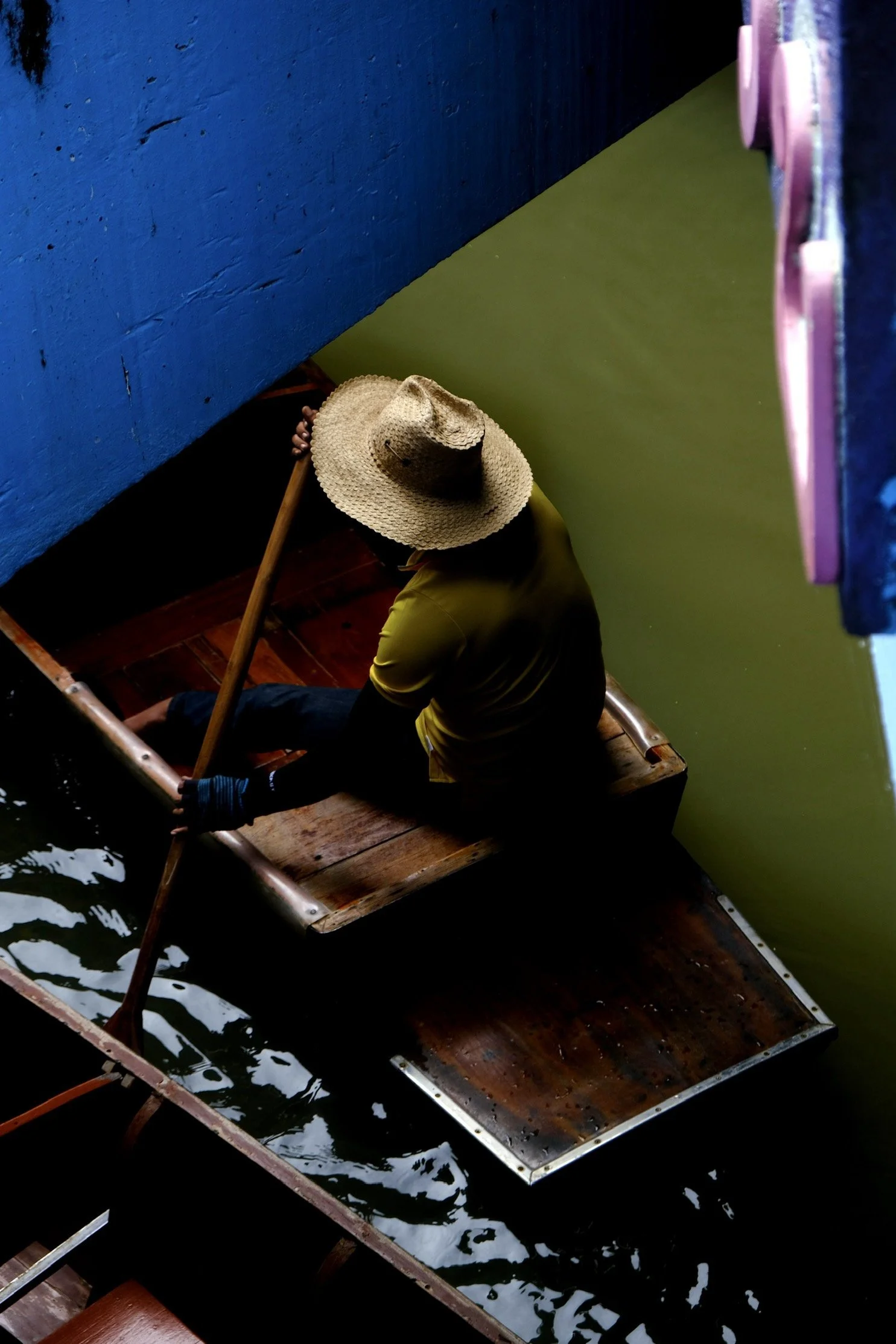
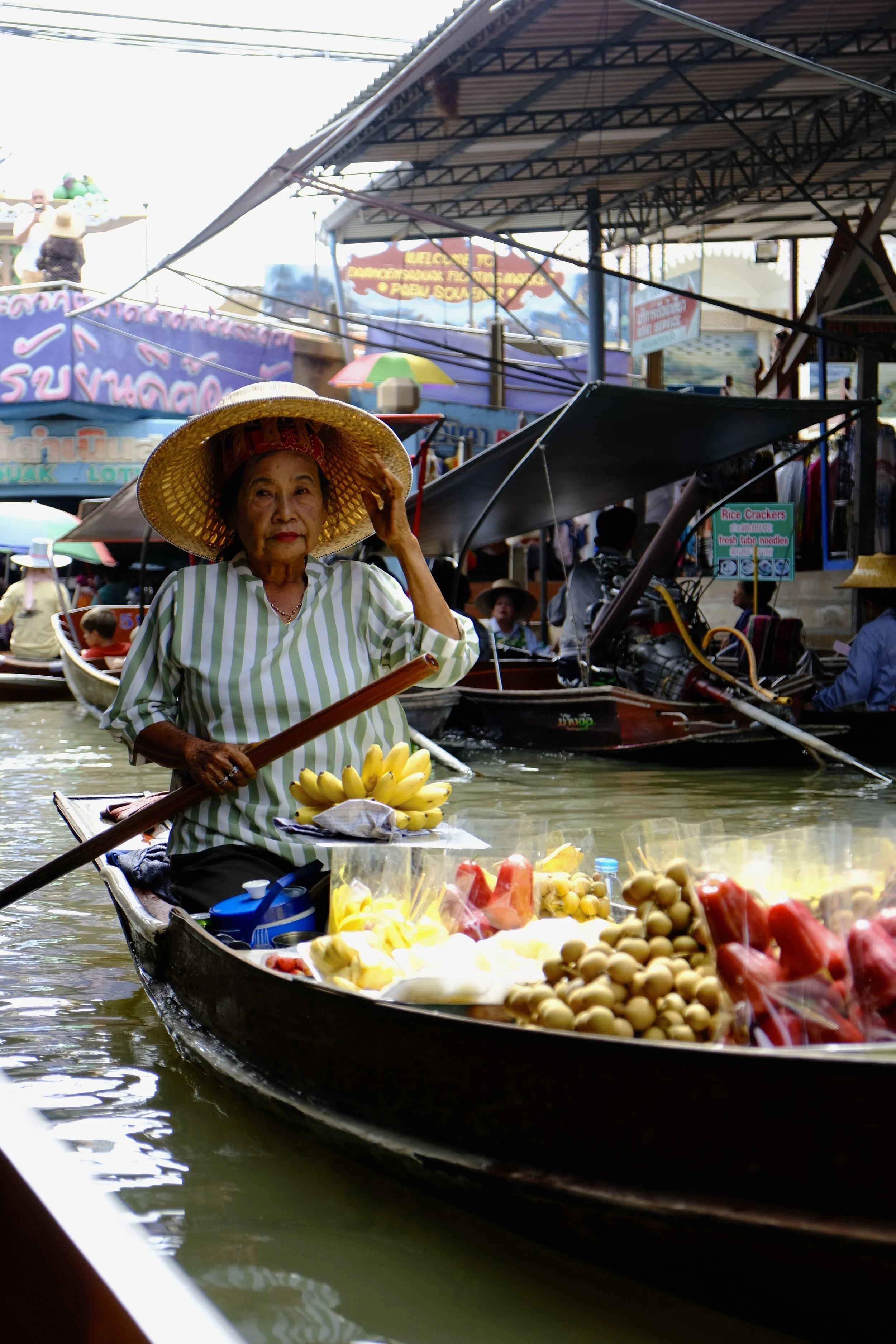
A new model of floating market that blends traditional Thai charm with modern urban convenience, launched as a government initiative in 2015.
This market serves as a bridge between rural producers and city dwellers, allowing villagers to sell fresh local products directly to consumers. By modernizing the waterway experience, it not only boosts the local economy and creates jobs for low-income residents but also preserves the "Venice of the East" spirit for a new generation of locals and tourists alike.